
Recycling and Sustainability — Gardening Peckham
Gardening Peckham is committed to creating an eco-friendly waste disposal area and nurturing a sustainable rubbish gardening area that supports healthy greenspaces across the neighbourhood. Our policy combines practical site design, community partnerships and measurable targets to transform garden refuse into resources. We prioritise low-impact operations and clear waste separation so compostables, wood, plastics and metals are redirected away from landfill.Our ambition is to reach a strong, community-led recycling percentage target: 70% recycling of all gardening and landscaping waste streams by 2030. This target covers green waste, food and plant-based material, recyclable containers and salvageable timber. It aligns with borough-level schemes where Southwark and neighbouring councils emphasise source separation — food and garden bins, glass and mixed recycling — so our sustainable disposal zones complement municipal collection systems.
 We design each site to be an accessible green waste disposal area with clear signage and segregated bays. Practical layout reduces contamination and increases recovery: dedicated sections for compostable material, mulching-grade wood, clean soil and recyclable plastics. We coordinate with local transfer stations and materials recovery facilities serving south London to ensure efficient onward transport and processing.
Local transfer stations are critical to our logistics. We work with transfer hubs serving Southwark and neighbouring boroughs and with a network of authorised yards that accept garden and construction arisings for processing into compost, biomass or reclaimed aggregates. Key activities include:
- Composting — turning garden and food waste into rich soil conditioner;
- Wood recycling — chipping timber for mulch and biomass;
- Soil reuse — screening and reclaiming clean topsoil for planting projects.
To minimise transport emissions we operate a fleet of low-carbon vans and lightweight electric vehicles where possible. Our route planning software optimises trips to transfer stations and partner sites, cutting mileage and improving turnaround. We also trial cargo bikes for smaller loads in inner-city zones to reduce congestion and pollution.
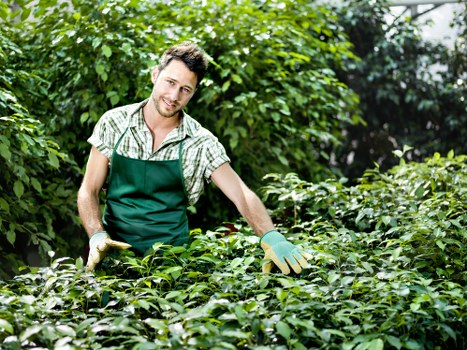 Partnerships with charities and community organisations form the backbone of our reuse strategy. We collaborate with local reuse charities, community gardens, and food growing networks to redistribute excess soil, pots, timber offcuts and durable tools. These partnerships mean functional items leave the waste stream sooner and support social value: community projects receive materials while charitable partners expand training and volunteering opportunities.
In our sustainable rubbish gardening area, onsite separation is standard practice. Staff and volunteers are trained to separate: compostables, recyclable plastics (labelled), glass, metal, clean concrete/brick and hazardous small items. We use colour-coded bins, pictorial signs and regular audits to keep contamination low. Where borough schemes require separate food and garden collections, our design mirrors those systems to ensure smooth handover to municipal services.
Measurement and transparency are vital. We publish quarterly summaries of tonnages diverted, recycling rates, and carbon savings. Monitoring includes weight-based tracking at drop-off and load-out, plus regular checks at transfer stations. These practices let us benchmark progress toward the 70% recovery goal and identify opportunities to improve sorting and education.
Community reuse and circular economy
Practical circular solutions
We promote circular economy principles through material exchanges, mulching programmes and seed-swap style exchanges that move resources back into local growing projects. Small-scale reuse (pallets, planters, sturdy pots) and upcycling workshops — coordinated with partner organisations — keep more material in productive use and reduce the need for new purchases.Our operational measures focus on resilience and low-carbon practice. Training for crew and volunteers covers correct sorting, contamination prevention and safe handling. Fleet plans emphasise electric vans and low-emission vehicles, with scheduled maintenance to preserve efficiency. We continuously evaluate vehicle electrification paired with optimised collection routes to lower our carbon footprint.
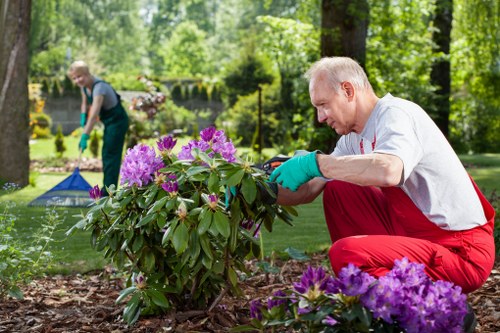 To amplify impact we form formal agreements with borough waste teams and transfer facilities, enabling priority access for high-quality green waste loads and cooperative planning during peak seasons. These arrangements help keep processing lines flowing, reduce delays and ensure material quality for composting and wood recycling operations.
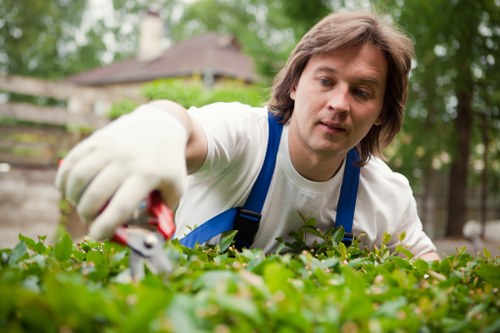 In summary, Gardening Peckham’s approach to an eco-friendly waste disposal area and a sustainable rubbish gardening area combines an ambitious recycling percentage target, partnerships with local charities, effective use of transfer stations and a commitment to low-carbon vans and transport. By designing practical sites, embedding clear separation systems and strengthening community links, we turn garden refuse into resources, cut carbon and support resilient local green spaces.