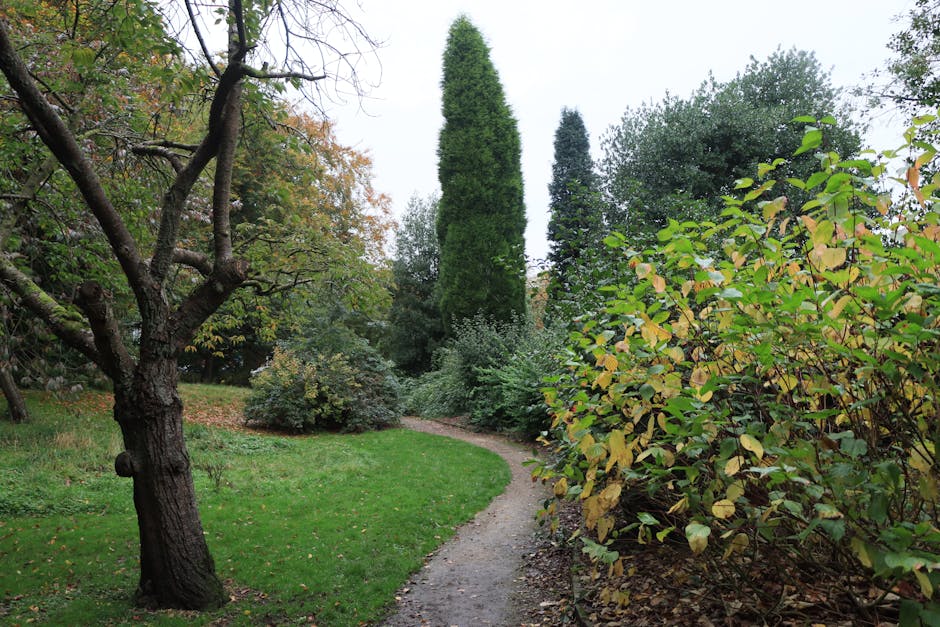
Peckham Rye Park garden design ideas by local gardeners
If you live near Peckham Rye Park, you already know the area has a particular feel: lively, leafy in pockets, and full of gardens that need to work hard in a fairly urban setting. The best Peckham Rye Park garden design ideas by local gardeners are usually not about doing something flashy for the sake of it. They are about making a small or medium-sized space look calmer, greener, and easier to live with day to day.
That might mean a family garden that can survive muddy trainers and weekend play. Or a front garden that lifts the whole house with better structure and planting. Or a long, narrow back garden that needs light, flow, and a bit of breathing room. Truth be told, most local gardens around here benefit from the same principle: design for how you actually live, then layer in style afterwards. In this guide, you will find practical ideas, common mistakes, and a clear step-by-step approach that local gardeners use when planning real gardens in Peckham.
For readers comparing services as well as ideas, it can also help to look at the wider support available through garden services overview, especially if your project needs more than planting alone.
Table of Contents
- Why Peckham Rye Park garden design ideas by local gardeners Matters
- How Peckham Rye Park garden design ideas by local gardeners Works
- Key Benefits and Practical Advantages
- Who This Is For and When It Makes Sense
- Step-by-Step Guidance
- Expert Tips for Better Results
- Common Mistakes to Avoid
- Tools, Resources and Recommendations
- Law, Compliance, Standards, or Best Practice
- Options, Methods, or Comparison Table
- Case Study or Real-World Example
- Practical Checklist
- Conclusion
- Frequently Asked Questions
Why Peckham Rye Park garden design ideas by local gardeners Matters
A good garden design does more than make a plot look neat. It changes how the whole home feels. Near Peckham Rye Park, where gardens often sit between terraced housing, boundary walls, mature trees, and shared light, the design choices you make can have a real impact on privacy, maintenance, and even how much you use the space.
Local gardeners understand this in a practical way. They know that a garden in South East London is not the same as one in a rural setting with endless sun and room to spare. Drainage may be patchy. Shade can be a bigger issue than people first expect. Wind can funnel through narrow spaces. And if you have a busy household, the garden needs to look good without becoming a second job.
That is why locally shaped design ideas matter. They are grounded in the weather, the architecture, the pace of life, and the sort of planting that actually lasts. A design that looks lovely in spring but turns into a maintenance headache by August is not a very good design. Let's face it, nobody wants that.
Expert summary: The strongest Peckham Rye Park garden designs are usually the ones that balance beauty with function: easy movement, manageable planting, year-round structure, and a layout that suits local conditions rather than fighting them.
There is also a value side to this. Thoughtful landscaping and planting often make outdoor areas feel larger and more polished without overbuilding them. A careful plan can give you better sightlines, better privacy, and a more usable garden on an ordinary budget. If hard landscaping is part of the plan, a local team can also guide you through landscaping options and the practical side of landscape gardening.
How Peckham Rye Park garden design ideas by local gardeners Works
Garden design is not just drawing a pretty plan. In practice, it usually starts with a site assessment, a conversation about how the garden will be used, and then a series of decisions about structure, planting, access, and maintenance.
Local gardeners will often begin with the basics. Where does the sun land in the morning and late afternoon? Which parts stay damp? Do you need space for children, pets, a dining area, or a quiet corner to sit with a coffee? You would be surprised how often a garden starts improving simply because those questions are asked properly.
After that, the design tends to move in layers:
- Structure: paths, borders, edges, seating zones, screens, or raised beds.
- Function: easy access, storage, practical mowing lines, and drainage.
- Planting: shrubs, perennials, climbers, grasses, and seasonal colour.
- Maintenance level: how much time you actually want to spend cutting, watering, feeding, and sweeping.
That maintenance point matters more than people think. A garden design that ignores upkeep can become unruly very quickly, especially in a green, fast-growing season. If your goal is a cleaner, simpler finish, services such as garden maintenance, hedge trimming, or even lawn mowing can support the design rather than undo it later.
In short, the process works best when design and care are planned together. Not separately. That's the bit people miss.
Key Benefits and Practical Advantages
Well-planned Peckham Rye Park garden design ideas by local gardeners deliver more than visual improvement. They make the garden easier to use, easier to maintain, and better suited to local living conditions.
- Better use of space: Even a compact garden can feel larger if the layout is sensible and the sightlines are open.
- Less maintenance stress: The right planting and surface choices reduce constant tidying.
- Improved privacy: Screens, hedging, and layered planting can soften overlooking without making the garden feel boxed in.
- More seasonal interest: Good planting gives colour, texture, and structure across the year, not just for a short burst in spring.
- Safer movement: Clear paths and sensible levels reduce trips and awkward corners, especially if children or older relatives use the space.
- Higher satisfaction: A garden that suits the way you live gets used more often. Simple as that.
One of the nicest things about local design is that it can make a garden feel more personal. A tiny paved corner with a bench and a climber can be more satisfying than an overcomplicated showpiece. You hear the birds, catch a bit of evening light, and suddenly the space feels like yours.
And yes, sometimes the best improvement is not a grand renovation. It is tidying the framework first. A clear edge here, a better hedge line there, a path that actually makes sense. That kind of thing.
Who This Is For and When It Makes Sense
This approach makes sense for a wide range of homeowners and landlords around Peckham Rye Park. It is especially useful if your garden is not giving you what you need, but you are not sure whether to redesign, refresh, or just sort it out properly.
You might be in one of these situations:
- You have a garden that feels cluttered, awkward, or difficult to walk through.
- You want a family-friendly outdoor space that is tough enough for real life.
- You are preparing a property for sale or letting and want stronger curb appeal.
- You have inherited a garden that has become overgrown or patchy over time.
- You want a more modern, low-maintenance layout with cleaner lines.
- You need help combining planting with practical work such as clearing, cutting back, or reshaping.
It also makes sense when the garden is technically fine, but just feels unfinished. Sometimes there is enough space, enough light, and enough greenery. It just needs a better plan. A local gardener can often spot those small adjustments quickly: widen the path, reduce visual clutter, soften a harsh boundary, or bring the lawn back into proportion.
If the site needs a reset before the design can even begin, a service like garden clearance can be the sensible first step. Nobody wants to design around a jungle of brambles and old timber, honestly.
Step-by-Step Guidance
Here is a straightforward way to approach Peckham Rye Park garden design ideas by local gardeners without overcomplicating the process.
- Start with the brief. Write down how you want to use the garden. Be specific. Dining? Children? Quiet reading corner? Easy-care planting? Wildlife? All of the above? Prioritise the top two or three needs.
- Measure and observe. Note the size of the space, the direction it faces, where water sits after rain, and which areas get the most sunlight. A quick sketch helps, even if it is a bit rough around the edges.
- Clear the clutter. Remove dead material, awkward objects, and anything blocking movement. A tidy starting point makes design decisions much easier.
- Choose the structure first. Decide where the main zones go. For example: a deck for seating, a lawn for play, borders for planting, or a narrow path to the shed.
- Pick planting that suits the site. Shade-loving plants belong in shady spots. Drought-tolerant planting suits hotter, exposed areas. That sounds obvious, but a surprising number of problems start right here.
- Build in maintenance reality. If you do not want weekly attention, avoid designs that rely on constant pruning or fussy bedding schemes.
- Phase the work if needed. You do not always need to do everything at once. Some gardens are better improved in stages, especially if budgets or access are tight.
- Finish with a care plan. Once the main design is in place, keep it healthy with practical routines such as mowing, trimming, seasonal cutting back, and occasional re-edging.
If you want a simpler outdoor living area, a deck can be a strong design feature, especially for awkward slopes or damp corners. In those cases, decking services can help turn an underused patch into a proper sitting area. It is one of those changes that feels small on paper and surprisingly big in real life.
Expert Tips for Better Results
Local gardeners tend to make a few design decisions again and again because they work. Not because they are trendy, but because they actually hold up.
1. Use layers, not just one flat idea
A garden feels richer when there is a mix of heights and textures: low groundcover, mid-level shrubs, and taller focal points. A flat bed of one plant type can look neat, but layered planting gives the eye somewhere to go.
2. Keep the hard edges soft where it makes sense
Brick walls, fencing, paving, and timber can all be useful, but too many hard lines can make a garden feel rigid. Soften them with climbers, grasses, or rounded planting. It helps more than people realise.
3. Make maintenance part of the design
If a hedge will grow fast, place it where it can be reached. If a lawn is too awkward to mow easily, rethink its shape. Good design saves time later. It's a boring truth, but a useful one.
4. Match the garden to the house
A Victorian terrace, a newer flat garden, and a larger family plot all ask for different choices. The garden should feel like it belongs to the property rather than fighting it.
5. Leave room to move
People often overfill borders and underthink access. A garden works better if you can move through it comfortably without brushing past everything every five seconds.
6. Use evergreen structure
Evergreens give year-round shape, especially in winter when herbaceous planting has died back. They do not need to dominate, just anchor the space.
If you are worried about trees blocking light or crowding the garden, it is worth getting advice before cutting anything back. Responsible tree lopping and removal should be considered carefully, because poor pruning can create bigger issues later. In our experience, the quickest fix is rarely the best fix.
Common Mistakes to Avoid
Most garden design problems are not dramatic. They are small, repeated mistakes that slowly make the space less usable.
- Designing for the photo, not for daily life. A gorgeous layout that cannot handle rain, kids, pets, or storage is not enough.
- Ignoring drainage. If water pools after heavy rain, planting and hard surfaces can suffer. This is especially relevant in compact urban gardens.
- Choosing plants that outgrow the space. A shrub that looks lovely in year one can swallow a border by year three.
- Overcrowding borders. Plants need room for airflow and maturity. Crowding often leads to disappointment, not fullness.
- Forgetting winter structure. A garden that only works from April to September is half a garden, really.
- Underestimating upkeep. If you do not want the work, choose a simpler design. There is no shame in that.
- Skipping the tidy-up phase. A neglected garden design, no matter how good the plan, will not show its best side if the basics are left undone.
One practical point: if the garden is already heavily overgrown, do not jump straight into planting. Clear, assess, and then design. The order matters. It saves money and avoids planting into problems you could have seen earlier.
Tools, Resources and Recommendations
You do not need a huge toolkit to make sensible progress, but a few basics help a lot.
- Measuring tape: For planning zones, widths, and plant spacing.
- Notebook or sketch pad: Very old school, very useful.
- Gloves and secateurs: For light pruning and tidying.
- Spade and border fork: Helpful for reshaping beds and improving soil.
- Wheelbarrow or trug: Makes clearing and moving mulch much easier.
- Simple mood board: Not fancy. A few images or notes showing the look you want.
For service support, many homeowners start by reviewing what a local team can actually help with. The most relevant pages on the site include landscaping, garden maintenance, and lawn mowing, depending on whether your project is a rebuild, a refresh, or an ongoing care job.
It can also help to think about the end result in seasons rather than just weeks. A garden that looks tidy in May but bare in January may need more evergreen structure. A garden that feels cramped in summer may need a better path line or lighter planting palette. Small adjustments, big difference.
Law, Compliance, Standards, or Best Practice
Garden design is usually not a heavily regulated activity in itself, but there are still sensible UK considerations, especially when work involves trees, levels, fencing, access, waste handling, or shared boundaries.
Local gardeners will typically work to practical best practice rather than overcomplicated theory. That means using safe methods, checking access before moving materials, disposing of waste responsibly, and being careful around protected features or boundary issues. If there are tree works, it is wise to avoid rushed cutting until the situation has been properly assessed.
For any garden project, a trustworthy provider should also be clear about insurance, safety, and payment expectations. That is why pages like insurance and safety, health and safety policy, and payment and security matter. They are not just admin pages. They tell you how seriously the business handles real-world risk.
Waste removal and green waste handling should also be managed thoughtfully. If your project involves cutting back, clearing out, or removing old materials, it is sensible to ask how the team approaches recycling and disposal. A commitment to recycling and sustainability is a good sign, especially for larger clearance jobs.
Best practice note: if you are making structural changes, dealing with a shared boundary, or disturbing mature trees, get proper advice before work starts. It avoids awkward conversations later. Nobody wants those.
Options, Methods, or Comparison Table
Different gardens need different approaches. Here is a simple comparison to help you think through the main options.
| Approach | Best for | Main benefit | Trade-off |
|---|---|---|---|
| Low-maintenance planting design | Busy households, landlords, smaller gardens | Less ongoing work and tidier year-round appearance | Can feel less lush if over-simplified |
| Structured landscape design | Gardens needing better flow or stronger layout | Improves movement, zones, and visual balance | Usually needs more planning and budget |
| Soft planting refresh | Gardens with decent bones but weak planting | Quickly lifts colour and texture | May not solve deeper problems like drainage or access |
| Clear-and-reset project | Overgrown or neglected gardens | Creates a clean starting point for future design | Doesn't always finish the garden in one stage |
| Deck-led layout | Uneven plots, seating areas, compact spaces | Creates a strong usable outdoor room | Needs careful fitting and maintenance |
If you are unsure which route fits best, start with function. The prettiest option is not always the right option. Sometimes the plainest solution is the one that finally makes the garden usable every day.
Case Study or Real-World Example
Here is a realistic example based on the sort of project local gardeners often see around Peckham Rye Park.
A homeowner had a narrow back garden that felt dark and cluttered. The lawn was patchy, the beds were overrun, and a hedge along one side had grown into the usable space. On sunny days, the family barely used the garden because it felt cramped and a bit gloomy, especially by late afternoon.
The redesign began with a clear-out, light reshaping, and a simpler layout. The hedge was reduced and brought back under control, which immediately improved the sense of space. A cleaner path line was created. The lawn was made smaller but easier to maintain. Raised planting added height without taking up too much ground. A small decked seating area gave the family one reliable place to sit, even when the rest of the garden was still settling in.
The result was not extravagant. That is the point. It was calmer, brighter, and far easier to live with. In practical terms, the garden moved from being something the family avoided to something they actually used after work and on weekends. By 6 pm, when the light was softer and the air had that warm plant-and-soil smell, the space finally felt inviting.
That sort of change often comes from restraint, not excess. A few good decisions, made in the right order, can transform a garden.
Practical Checklist
Use this checklist before starting your Peckham Rye Park garden project.
- Have I identified the main purpose of the garden?
- Do I know which areas get sun, shade, and poor drainage?
- Have I cleared obvious clutter or overgrowth first?
- Do I want a low-maintenance, medium-maintenance, or high-detail design?
- Have I chosen a layout that suits how people move through the space?
- Are my plants suitable for the conditions, not just the look?
- Is there enough room for growth, access, and future upkeep?
- Have I considered privacy, seating, and storage?
- Do I need help with clearance, hedge work, mowing, or ongoing care?
- Have I checked that safety, insurance, and payment terms are clear?
If you can answer most of those questions clearly, you are already ahead of the game.
Conclusion
The best Peckham Rye Park garden design ideas by local gardeners are the ones that fit real life: the weather, the space, the routines, and the way local homes actually work. Good design here is rarely about doing more. It is about doing the right things in the right order, with enough flexibility to grow and change over time.
Start with clarity. Decide what the garden needs to do. Clear away what gets in the way. Build a structure that makes sense. Then choose planting that suits the conditions and the amount of time you really have. That approach will almost always outlast a trend-led makeover.
If your garden needs practical help as well as design thinking, explore the site's wider support options, including about us, pricing and quotes, and contact us when you are ready to talk through the next step.
Get a free quote today and see how much you can save.
With the right plan and a steady hand, even an ordinary garden can become the part of the home you look forward to most.
Frequently Asked Questions
What are the best Peckham Rye Park garden design ideas for small gardens?
The best ideas for small gardens usually focus on space-saving structure: clean paths, compact seating, vertical planting, and borders that do not crowd the centre. A smaller garden can still feel generous if the layout is calm and the planting is controlled.
Do local gardeners help with both design and maintenance?
Yes, many local gardeners support both. That is often the most practical setup because the same team that designs or reshapes the garden can also maintain it properly afterwards. It keeps the look consistent and avoids a lot of backtracking.
How do I make my Peckham garden lower maintenance?
Choose fewer plant varieties, use more evergreen structure, reduce awkward lawn shapes, and avoid schemes that need constant deadheading. A simpler layout also helps. A low-maintenance garden is not boring if the structure is strong.
Should I clear the garden before redesigning it?
Usually, yes. Clearing first gives you a clearer view of the space and helps prevent design mistakes. If the area is heavily overgrown, a service such as garden clearance is often the most sensible starting point.
What garden features work well near Peckham Rye Park?
Features that balance practicality and comfort work especially well: small decks, structured planting, hedge lines for privacy, and defined seating spots. Gardens in this area often benefit from designs that make the most of light and movement rather than trying to cram in too much.
How much planning does a garden redesign need?
Even a modest redesign needs a decent amount of planning. You do not need pages of drawings, but you do need a clear idea of layout, plant choice, access, and maintenance. A few hours of thinking can save days of regret later. Really, it can.
Can decking be part of a garden design in a small urban space?
Yes. Decking can work very well in compact or uneven spaces because it creates a defined, usable area. It is especially useful where a lawn would be awkward or damp. The key is to keep the deck proportionate to the garden.
What if my garden has too much shade?
Then the planting plan should be built around shade-tolerant species and the design should avoid overfilling the darkest areas. Sometimes a lighter layout, a better reflective surface, or pruning nearby growth can make a meaningful difference.
Are there best practices I should expect from a local gardener?
Yes. You should expect clear communication, sensible site assessment, safe working practices, proper waste handling, and a design that suits your garden rather than a one-size-fits-all formula. Insurance, health and safety, and recycling practices are all worth checking.
How do I choose between landscaping and garden maintenance?
If the garden needs a new layout, hard surfaces, or a structural reset, landscaping is usually the better fit. If the garden already works but needs regular cutting, trimming, and upkeep, garden maintenance is the sensible choice. Some projects need both, to be fair.
What is the biggest mistake people make with garden design?
The biggest mistake is designing for appearance only and ignoring upkeep. A garden must be usable, maintainable, and suited to the local conditions. If it looks lovely for a few weeks but becomes stressful quickly, the design has missed the point.
How do I get started with a local gardener?
Start with a short list of what the garden needs to do, what you dislike about it now, and any photos or measurements you can share. Then speak to a local team through the contact page and ask for advice on the next sensible step, whether that is clearance, design, or ongoing maintenance.