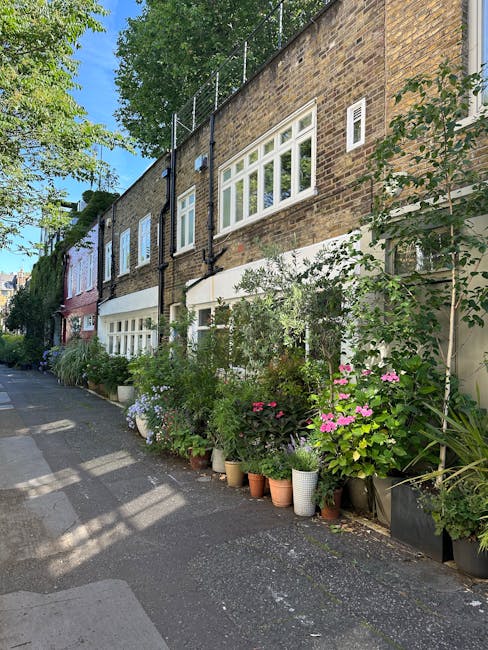
Bellenden Road garden maintenance tips from Peckham gardeners

If you look after a garden on Bellenden Road, you already know it has its own rhythm. Narrow front spaces, private back gardens, shady corners, sudden bursts of sun, a bit of shelter from the houses, and the usual London mix of compact planting and fast-growing weeds. Bellenden Road garden maintenance tips from Peckham gardeners are really about working with that rhythm, not fighting it. The aim is simple: keep things tidy, healthy, and manageable without turning every weekend into a full-scale restoration project.
In Peckham, good garden care is less about perfection and more about consistency. A little pruning here, a bit of deadheading there, and sensible watering can make a surprising difference. You do not need to do everything at once. Truth be told, most gardens just need the right attention at the right moment. This guide walks through what matters, how maintenance works in practice, and what local gardeners tend to prioritise when space, weather, and time are all pulling in different directions.
Whether you are a homeowner, tenant, landlord, or simply someone trying to stop the patio from turning into a mossy ankle trap, you will find practical steps here. There are also notes on seasonal timing, common mistakes, tools that actually help, and when it makes sense to bring in a professional service. A tidy garden is nice. A garden that feels manageable is better.
Why Bellenden Road garden maintenance tips from Peckham gardeners Matters
Bellenden Road gardens are often beautiful, but they are rarely low-effort. That is the honest version. You may be dealing with mature shrubs squeezed into a small footprint, shaded beds under fences, paving that collects moss, or containers that dry out faster than expected in summer. In a street like this, garden maintenance is not a luxury task; it is what keeps the space usable.
Regular care matters for three reasons. First, plants stay healthier when problems are noticed early. A patch of mildew, a collapsed climber, or a border full of self-seeded weeds is usually easier to handle in small doses. Second, a maintained garden is safer and more practical. Slippery paths, unstable pots, and overhanging branches can get in the way fast. Third, there is the simple daily benefit: a garden that feels calm, clean, and inviting changes how you use the house. You open the door more often. You sit out longer. You actually enjoy the space.
Local conditions matter too. Peckham gardens can face reflected heat from brick walls in summer, soggy soil after heavy rain, and compacted ground where foot traffic is frequent. If you are not tuning your maintenance to those conditions, you can end up doing more work for less result. That is where local experience comes in handy. Garden care on Bellenden Road is not about copying a generic "UK garden" checklist. It is about reading the space in front of you.
Expert summary: the best maintenance routine is the one you can repeat. A smaller, steady effort almost always beats a giant clear-up followed by weeks of neglect.
How Bellenden Road garden maintenance tips from Peckham gardeners Works
At its core, garden maintenance is a cycle: inspect, tidy, improve, and repeat. The exact tasks change with the season, but the pattern stays the same. A Peckham gardener working on a Bellenden Road property will usually begin by looking at what is growing well, what is stressed, and what is getting in the way of the garden being used properly.
That first look matters more than people think. A garden can appear fine from the back door and still have dead material trapped inside a shrub, blocked drainage under a patio edge, or a climbing plant that is quietly pulling at a fence. Maintenance is partly cosmetic, yes, but it is also diagnostic. You are checking for early signs of trouble before they become expensive or awkward.
From there, the work generally falls into a few simple categories:
- Cleaning and clearing: removing fallen leaves, litter, dead stems, and spent annuals.
- Pruning and shaping: keeping shrubs, climbers, and hedges within sensible bounds.
- Weed control: stopping unwanted growth from taking over beds, paths, and gravel.
- Soil and feed care: improving tired beds with compost or mulch where needed.
- Water management: making sure containers and borders get the right amount, not just the most.
- Seasonal adjustment: changing the routine based on weather, growth, and plant type.
In practice, the work is usually staged. A first visit may be heavier: a proper tidy-up, reduction of overgrowth, and general reset. After that, maintenance becomes lighter and more regular. A lot of people underestimate the value of that second stage. It is the second stage that keeps a garden from slipping again.
It also helps to think in layers. The top layer is what you see from the path or kitchen window. The middle layer is structure: shrubs, hedges, climbers, and borders. The bottom layer is soil, mulch, roots, drainage, and edging. If all three are cared for, the garden tends to behave itself. Mostly.
Key Benefits and Practical Advantages
Good maintenance is not just about looking neat for guests. The real benefits show up in how the garden functions week after week.
- Less emergency work: regular care prevents the big dreaded cut-back that eats an entire Saturday.
- Healthier planting: plants get more light, air, and space when maintenance is steady.
- Better curb appeal: even a modest front garden can change the tone of a whole property.
- Reduced trip and slip hazards: clear paths and stable edges matter, especially in wet weather.
- More usable space: a maintained garden is easier to sit in, play in, or simply enjoy.
- Lower waste in the long run: cutting back properly and recycling green waste sensibly avoids mess and waste build-up.
There is also a quiet financial benefit. A garden left to run wild usually costs more to recover than to maintain. It is a bit like teeth cleaning, to be fair. Small, regular attention is cheaper and less stressful than a full fix later. Not glamorous, but true.
And then there is the psychological side. A messy garden tends to nag at you. A tidy one gives some breathing room. People often say they wanted a garden for "relaxing," but what they really mean is they want a space that does not demand attention every time they look at it. Maintenance makes that possible.
If you are comparing levels of support, it can help to look at the wider garden care services available in Peckham and decide whether you need a one-off reset, ongoing upkeep, or something in between. A lot depends on the condition of the garden right now, not just what you want it to become.
Who This Is For and When It Makes Sense
This approach suits anyone with a garden that is used regularly or expected to stay tidy through the year. It is particularly useful if you live near Bellenden Road and have limited time, a small outdoor space that grows fast, or a garden shared between several people who all have different ideas about "maintained." That last one can be fun. Or not.
It makes sense for:
- Busy homeowners who want the garden to stay presentable without constant effort.
- Tenants who need the outdoor space kept reasonable and functional.
- Landlords and agents preparing a property between lets or after a long vacancy.
- Families who need safe paths, clear play space, and manageable planting.
- Older residents who may prefer practical upkeep rather than heavy manual work.
- People with overgrown gardens who need a reset before ongoing care can begin.
It also makes sense if your garden has a mix of ornamental and practical features. For example, one side may be decorative with roses and perennials, while the other side is mostly containers, compost bins, and a narrow strip of lawn. Different elements need different treatment. One-size-fits-all maintenance rarely works properly.
If you are trying to decide whether to call in help or do it yourself, ask one simple question: do you want to spend your time enjoying the garden, or managing it? There is no wrong answer. But it does clarify the next step.
Step-by-Step Guidance
Here is a sensible, street-level way to approach Bellenden Road garden maintenance without overcomplicating it.
1. Start with a quick survey
Walk the garden slowly. Look for weeds, dead growth, leaning pots, blocked drains, mossy paving, and anything touching fences or windows. Do this before you pick up tools. It sounds obvious, but it saves effort.
2. Clear the obvious mess first
Remove fallen leaves, litter, and dead plant material. Bag up what needs to go. If you leave the clutter until later, it just gets in the way and makes the rest feel bigger than it is.
3. Tackle weeds while they are small
Pull annual weeds when the soil is damp, roots and all. For persistent weeds in gravel or paving cracks, a careful repeated approach is better than one heroic session. The aim is control, not fantasy eradication.
4. Prune with purpose
Cut back dead, crossing, or overlong growth. Keep an eye on shape and airflow. For hedges and shrubs, trim lightly rather than aggressively unless the plant genuinely needs a hard reset. Overpruning is one of those things that feels decisive and then looks awkward for months.
5. Refresh beds and borders
Lift out tired annuals, top up mulch where the soil is exposed, and feed plants if they are showing signs of exhaustion. Mulch helps with moisture retention and weed suppression, which is very handy in compact urban gardens.
6. Check watering habits
Containers often need more attention than beds, especially in warm weather or where walls reflect heat. Water deeply and less often rather than dribbling a bit every day. Plants usually prefer consistency. People do too, come to think of it.
7. Review paths, edges, and hard surfaces
Brush down paving, remove moss carefully, and make sure edging is intact. A tidy border around a path makes the whole garden feel sharper. It is a small thing, but it matters.
8. Finish with a maintenance note
Take one minute to note what needs attention next month. A simple reminder helps you avoid the "I meant to deal with that" spiral. We have all been there.
Expert Tips for Better Results
Experienced gardeners usually think in prevention, not rescue. That shift changes everything. A few practical habits make Bellenden Road gardens easier to manage all year.
- Keep a light monthly rhythm. Even 30 to 45 minutes of attention can stop a bigger job forming.
- Mulch at the right time. A fresh layer after weeding and feeding helps lock in the work.
- Use plant size as a guide. If a shrub is repeatedly outgrowing its space, it may need replacing with something better suited.
- Choose plants that fit the garden, not just the picture in your head. Compact urban spaces reward restraint.
- Let one section rest if needed. In a busy season, focus on the high-visibility areas first.
- Look for stress signs early. Yellowing leaves, soft stems, and sudden droop can mean watering, drainage, or disease issues.
- Don't chase perfection. A garden that is healthy and easy to maintain is better than one that looks staged for five minutes.
One thing local gardeners often notice is that small gardens can create big problems through neglect. A single climber left for a season can loosen a fence panel. A pile of leaves in a damp corner can turn into a moss patch. A few weeds in gravel can become a stubborn patch. Tiny jobs, yes. But they multiply.
For many households, the best result comes from combining ongoing upkeep with sensible garden waste handling. If you are interested in environmentally responsible approaches, you may also want to look at recycling and sustainability practices that help reduce waste and keep maintenance cleaner behind the scenes.
Common Mistakes to Avoid
Let's face it, most garden maintenance mistakes come from doing either too much too quickly or too little for too long. Both are fixable.
- Cutting everything back at once: heavy-handed pruning can damage shape, flowering, and structure.
- Ignoring drainage: if water sits in one spot, plants and paving both suffer.
- Letting weeds seed: a single missed patch can become next month's headache.
- Using the wrong watering pattern: shallow watering trains roots badly.
- Skipping seasonal checks: each season brings different pressure points, especially in urban gardens.
- Forgetting access: if bins, sheds, or side paths are blocked, maintenance gets harder fast.
- Leaving green waste to build up: it clogs the space and attracts more mess.
Another common issue is treating every plant the same. A thirsty container geranium and a hardy shrub in open soil have very different needs. Sounds obvious. Yet people do it all the time. Gardening has a way of making us overconfident, then humbling us politely.
There is also the over-buying trap. New plants are lovely, but if the structure of the garden is already difficult, more planting can make maintenance worse. Sometimes the right answer is not "add more," but "make what is there easier to live with."
Tools, Resources and Recommendations
You do not need a shed full of specialist kit to maintain a Bellenden Road garden well. A compact, sensible set of tools usually goes further than expensive extras that sit unused.
| Tool or item | Why it helps | Best use |
|---|---|---|
| Hand trowel | Useful for weeding, planting, and edging | Small beds, containers, tight spaces |
| Secateurs | Clean cuts on stems and light pruning | Perennials, roses, small shrubs |
| Border fork | Loosens compacted soil without overworking it | Border refresh and soil aeration |
| Stiff broom | Clears leaves and debris from paths | Paving, patios, steps |
| Watering can or hose | Supports consistent watering | Dry spells, containers, newly planted areas |
| Wheelbarrow or trug | Makes waste handling easier | Moving clippings, compost, soil |
Beyond tools, the most useful resources are often practical rather than fancy:
- Seasonal reminders: a simple calendar note for pruning, feeding, and mowing keeps things on track.
- Compost and mulch: these help restore tired beds and reduce weed pressure.
- Replacement planting plan: if a plant repeatedly fails, swap it for something better suited to shade, dryness, or limited space.
- Professional upkeep plan: useful when you want consistent results without having to think about it every month.
If you are comparing service options, the pricing and quotes guidance can help you understand how scope, garden size, and frequency affect the final cost. A good quote should feel clear, not mysterious.
Law, Compliance, Standards, or Best Practice
For most home gardens, there is no complicated legal framework to worry about in day-to-day maintenance. Still, there are a few best-practice points worth keeping in mind, especially in shared or rented properties.
First, overhanging branches, unstable fences, and blocked access areas can create disputes or safety issues if neglected. If you are a tenant or landlord, it is worth checking responsibilities carefully and keeping communication clear. Second, garden waste should be handled responsibly. Do not assume that every cut branch or pile of soil can simply be left in a corner. That is how outdoor spaces quietly become messy storage areas.
Third, if maintenance involves ladders, power tools, or heavy lifting, safety should come first. In professional settings, gardeners should follow sensible health and safety procedures, use appropriate equipment, and carry suitable insurance. If you are hiring help, it is reasonable to ask about that. No drama, just common sense.
You can also review a provider's health and safety policy and insurance and safety information if you want extra reassurance before booking. That kind of transparency is a good sign. It usually means the business is paying attention to the details that matter.
Best practice, in plain English, is simple: work safely, keep the garden tidy, dispose of waste properly, and do not force a plant into a shape or schedule it clearly dislikes.
Options, Methods, or Comparison Table
Not every Bellenden Road garden needs the same type of maintenance. Some need a quick tidy before guests arrive. Others need a full reset after a long neglected period. Here is a practical comparison.
| Method | Best for | Pros | Trade-offs |
|---|---|---|---|
| Light regular upkeep | Gardens already in decent shape | Affordable over time, easy to maintain, less disruptive | Needs consistency |
| Seasonal deep clean | Spaces that get messy between quarters | Visible improvement, good for reset moments | Can feel like a bigger job on the day |
| One-off restoration | Overgrown or neglected gardens | Fast improvement, clears the starting point | Usually not enough on its own |
| Ongoing professional maintenance | Busy households, rentals, larger or complex gardens | Reliable, consistent, easier planning | Requires budget and scheduling |
In practice, many people begin with a one-off reset and then switch to light regular upkeep. That is often the sweet spot. You get the garden back under control, then keep it there without making gardening your second job.
Case Study or Real-World Example
A typical Bellenden Road garden might be a compact rear space with a narrow lawn, two shrub borders, a paved sitting area, and a few containers near the kitchen door. After a wet spring and a busy summer, the borders are full of weeds, the lawn is patchy, and one climber has gone wild enough to shade half the fence. Nothing dramatic. Just enough to feel a bit irritating every time you look out.
The maintenance approach would usually be straightforward. First, clear the fallen material and remove weeds before they seed. Second, cut back the climber and reshape the shrub that has become too heavy on one side. Third, scrape moss from the paving and clear the edges so the path reads as a proper path again. Fourth, feed and mulch the beds, then check the containers for dryness.
What changes after that? Usually, the whole garden feels lighter. The patio gets used more. The borders stop looking tired. The lawn may still need further work, but the space becomes workable again. That is the key point. Maintenance does not have to solve everything in one visit to be worthwhile. It only has to move the garden from awkward to manageable, and then keep it there.
That kind of outcome is very common on urban streets like Bellenden Road, where space is limited but expectations are still high. People want a garden that feels calm, not complicated. Fair enough.
Practical Checklist
Use this checklist to keep your garden maintenance on track through the year.
- Walk the garden and spot problem areas before starting work.
- Remove weeds, dead leaves, and fallen debris.
- Trim overgrown growth with clean, sensible cuts.
- Check for blocked paths, slippery surfaces, or unstable pots.
- Inspect watering needs for containers and sun-exposed areas.
- Top up mulch or compost where the soil is bare or tired.
- Review fence lines, climbers, and boundary planting.
- Bag and remove green waste responsibly.
- Make a note of what needs attention next time.
- Decide whether the garden needs a one-off tidy or ongoing maintenance.
Quick tip: if you can keep the garden useful, safe, and visually calm from one month to the next, you are doing it right. Everything else is refinement.
Conclusion
Bellenden Road garden maintenance is really about building a routine that suits a real urban garden, not an idealised one. Small spaces, varied light, changing weather, and busy lives all shape what works. The best gardens are not the ones that never need help; they are the ones that stay manageable because someone is paying attention at the right moments.
If you remember only one thing, make it this: steady maintenance beats dramatic rescue. Keep the weeds down, prune with care, water properly, and give the garden a little regular attention. That is what keeps the space pleasant to live with. And honestly, that is enough.
If you would like a clearer idea of the support available, it is worth exploring the full range of gardening services, or learning a bit more about who is behind the work before you decide how to move forward.
Get a free quote today and see how much you can save.
Frequently Asked Questions
How often should a Bellenden Road garden be maintained?
For most gardens, a light monthly check works well, with extra attention during spring and summer when growth speeds up. If the space is heavily planted or shared, more frequent visits may be easier to manage.
What is the most important part of garden maintenance in Peckham?
Regular clearing and weed control are usually the biggest wins. Once those are under control, pruning, watering, and soil care become much easier to manage.
Can I maintain a small urban garden myself?
Yes, often you can. Small gardens are manageable if you stay on top of them. The challenge is usually consistency rather than complexity.
When is the best time to prune shrubs and hedges?
It depends on the plant type. Many shrubs respond well to light seasonal pruning, but some should be left until after flowering. If you are unsure, it is safer to prune lightly than to cut too hard.
Do Bellenden Road gardens need different care because they are in London?
Often, yes. Urban gardens can be warmer, more sheltered, or more compact than suburban ones, which affects watering, airflow, and plant choice. Local conditions matter more than people expect.
How do I stop weeds coming back so quickly?
Remove them before they seed, keep beds mulched, and avoid leaving bare soil exposed for long periods. A garden that is regularly checked is much less likely to be overwhelmed.
Is a one-off garden tidy enough?
It can be, if the space is already fairly well kept. But for overgrown or fast-growing gardens, ongoing maintenance is usually the better long-term solution.
What should I ask before hiring a gardener?
Ask what is included, how often the work would be done, whether waste removal is covered, and whether the provider has appropriate safety and insurance arrangements.
How can I tell if my garden needs a full reset?
If weeds, dead growth, blocked paths, and overgrown shrubs are making the garden hard to use, it probably needs a reset before routine maintenance can work properly.
Are garden maintenance costs usually fixed?
Not always. Costs often depend on garden size, condition, frequency, access, and whether waste removal is included. That is why a clear quote is useful.
What tools are essential for simple home maintenance?
A trowel, secateurs, a broom, a border fork, and a watering can will handle a lot of everyday jobs. You can do more with good basics than with a pile of fancy kit.
Where can I find more information about booking and payment?
You can review the site's payment and security information and then use the contact page if you want to ask about next steps.
Sometimes a garden just needs a steady hand and a bit of patience. That's all. And when it comes together, it really does make the whole place feel more like home.